
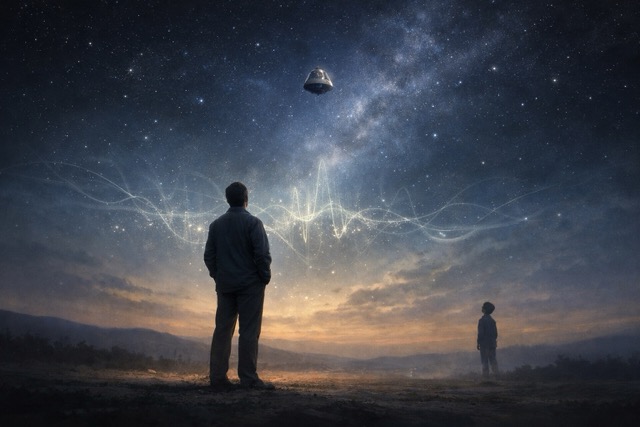
On April 10, the child in me—now seventy years old—was stirred back to life as I watched a space capsule descend into the Pacific Ocean. Decades earlier, I had watched another moment unfold on a flickering black-and-white television in a Washington hotel room as Neil Armstrong stepped onto the surface of the Moon. What I did not understand then was that the journey to the Moon would not end there. Its influence would be felt in hospitals, clinics, and in remote settings, shaping the way we monitor, diagnose, and care for patients.
From telemetry and remote monitoring to precision medicine and systems-based care, the legacy of space exploration is deeply embedded in modern medical practice. Yet its deeper significance lies elsewhere. It resides in the human impulse to look toward the unknown, to imagine ourselves beyond present constraints, and to extend the boundaries of what is possible.
If you like what you read, please follow me and subscribe to The Art of Being Human on SUBSTACK
👉 Read the full essay on Substack:
Steps to More: From Space to Medicine