Tag Archives: interventional pulmonology

The Revolutionary Spirit in Medical Education

Shows physician signaling a the digital democratization revolution in medical education to a student at the computer


In her book, On Revolution, German-American political thinker and philosopher Hannah Arendt (1906-1975) wrote that a revolutionary spirit is not defined as the action of a people, but as a set of political principles characterized by concomitant ideas of freedom and the experience of a new beginning. For medical educators, the concept of the democratization of knowledge, associated with the proliferation of computers and web-based learning, interactive information systems, and greater access to virtual reality and computer simulation, embodies such a revolutionary spirit.

This is because the widespread dissemination of educational systems dedicated to the health care environment is the exact opposite of the antiquated practice of coerced acceptance of information through conventional power structures in the ivory towers of academia. The older system was often based on academic hierarchies and teachers who, as both owners and retainers of knowledge, had power over learners. The newer system, however, is built on the give-and-take of democratization, with virtually instantaneous, open access to information enabled by affordable technological advances. These include but are not limited to critical analyses of that information through podcasts and interviews, open access rather than fire-walled peer-reviewed scientific literature, and thousands of lectures or commentaries on YouTube and other social media sites.

Arendt also wrote that revolution implies a change radical enough to be experienced as an entirely new beginning. It signifies more than a change, which, as Arendt says, can be cyclical (as in change from one form of government to another; a monarchy might become an oligarchy, an oligarchy might become a democracy, and so on). A revolution is also not to be confused with rebellion, which might substitute one form of leadership, or one prevailing paradigm, for another. Nor is revolution, in its social and political sense, a restoration to what once was. In other words, it is not represented by coming full circle back to a preordained order.

Instead, a revolution, according to Arendt, signifies a new beginning, not only in social thought but also regarding actions inspired by a “revolutionary spirit.” In his brilliant new series titled The American Revolution, documentary filmmaker Ken Burns illustrates how the American colonies’ revolt against Great Britain was inspired by such a spirit fueled by the novel idea that all men had inalienable political rights by birth. Of course, there were shortcomings to the founding fathers’ implementation of this idea, for sadly, it would take many years before such “rights” would be extended to indigenous populations, enslaved people, and women.

But the purpose of this essay is not to expound on the concept of revolution, but to reflect on whether medical education today represents the dawn of a new beginning marked by digital democratization and driven by the revolutionary spirit. I believe it is, although with some caveats. 

Technology allows for information, ideas, and images to transcend national boundaries. Still, healthcare professionals benefit greatly when they personally identify with physical role models and engage in the intricacies of the human experience gained through direct, face-to-face interactions with their patients. Just as a teacher’s actions and behaviors influence their students’ manners and performances at the bedside, for example, a patient’s feelings and behaviors can equally affect the ultimate quality of a physician’s professional attitudes and demeanor.

We must not forget, therefore, that health care delivery entails the delivery of healthcare, which is, after all, a human service profession. Learning to care for the sick, the injured, and the fatally ill with demonstrable empathy and compassion is not easily mastered through books and modern technology alone. The revolutionary spirit might spark our embrace of new technologies and educational systems but carries in its mist all that is valuable and sacred about the physician-patient encounter.

Silent Wounds of Medical Betrayal

Betrayal in medicine, patients and physician harm


Betrayal occupies a unique space in the human experience, as anyone who has felt betrayed knows all too well. In the healthcare environment, it represents one of the most ethically charged and psychologically damaging forms of a relational breakdown. From this perspective, it is very different from romantic betrayal or interpersonal treachery. It is a breach of trust and responsibility, a sorry manifestation of the power imbalance that exists between physicians and their patients. In this first of several short essays on the subject, I address the silent wounds of medical betrayal on the perpetrators themselves.

Medical care is both highly technical and grounded in an often obscure and changing clinical science.  While most physicians do what they believe is in their patients’ best interests, some jeopardize their personal and professional integrity to comply with institutional guidelines, a mentor’s instructions, financial obligations, political positions, or their perceived need to embrace technological advances before supporting scientific evidence is established. 

Knowingly providing suboptimal medical care, failing to disclose conflicts of interest, or making misleading statements or false promises are just a few ways physicians betray their patients’ trust. But there are others. Alfred Tauber, author of Confessions of a Medical Man, for example, wrote of the dangers of the physician-technocrat who turns medical care into a business transaction, and Oliver Sacks, in A Leg to Stand On, described the devastating emotional impact on patients who feel abandoned by their caregivers.

When doctors nonchalantly neglect a patient’s humanity, however, they do more than a disservice to their profession and their patients. An act of betrayal shatters the moral basis of professional obligation, the ethical foundation that resides in a fiduciary trust built on a patient’s vulnerability and the physician’s promise of beneficence. For the perpetrator (is that too strong a word?) professional burnout, cynicism, and a growing sense of personal failure can ensue, with long-term effects on a health care provider’s mental health.

The emotional consequences for the instigator of such betrayals, whether the betrayal is of a patient or of the ethical obligations of the profession, are what psychologists call self-inflicted moral injuries. Shame and guilt, self-disgust, emotional exhaustion, and detachment from colleagues and patients can lead to increased feelings of anxiety or depression, substance abuse, and sleep disruption. Over time, these and others may lead to developing a distorted sense of professional obligations, poor performance, and loss of credibility. 

The effects of self-inflicted moral injury on one’s sense of meaning, purpose, and personal identity can be devastating. They may lead to abandoning the health care profession, and in worst case scenarios, to excessive drug and alcohol consumption, disruption of the nuclear family, and even suicide.

Committing an act of medical betrayal causes a silent wound that easily grows over time. The old adage, to forgive and forget, does not readily apply, and often, this wound requires professional help to heal.

Gratitude

Doctors and nurses and patients show gratitude and express thanks


Since its official proclamation as a national holiday by President Abraham Lincoln in 1863, Thanksgiving is a day when many North American families and friends come together to share a meal, focus on their sense of giving and community, and express their gratitude for life’s gifts and blessings.  The tradition may have started with the Green Corn Dance of the Cherokee Indians, or with a feast held by Europeans who arrived in Newfoundland in 1578. However, most schoolchildren today associate this holiday with a meal more than four hundred years ago, when in 1621, almost one hundred members of the Native American Wampanoag tribe shared the fruits of an autumn harvest with a small group of English settlers in Plymouth, Massachusetts. 

Sadly, this celebration of peaceful camaraderie between Native Americans and colonists was followed by the spread of infectious disease and violence that decimated much of the indigenous population. Still, the idea of proclaiming days of thanksgiving took hold, first in New England, and later throughout the territories that became the United States of America. On the 27th of this month, therefore, like every year on the fourth Thursday of November, people will gather from around the country to give thanks. 

But, I wonder, doesn’t each and every day provide endless opportunities for thanks-giving?

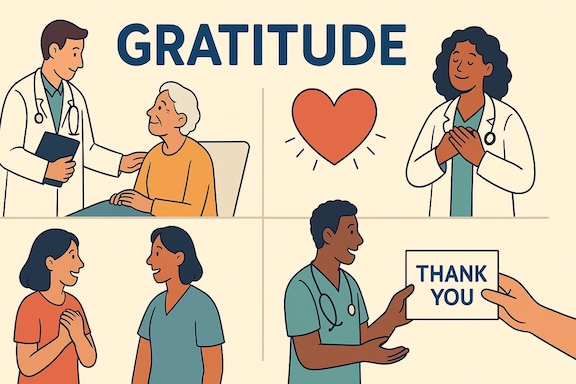
Gratitude, defined as feelings of thankfulness, acts of showing appreciation, or as a duty to repay or acknowledge gestures of kindness, occupies an important place in human thought, feelings, and social interactions. While philosophers may debate its affective, cognitive, communicative, and conative elements, sociologists describe how expressions of gratitude validate the feelings and behaviors of others and help shape cultural practices and social solidarity. The danger is that gratitude might easily be seen as a burden or obligation. To this, Lebanese writer Khalil Gibran answered, “And you receivers—and you are all receivers—assume no weight of gratitude, lest you lay a yoke upon yourself and upon him who gives. Rather rise together with the giver on his gifts as on wings…” For Gibran, gratitude is an expression of humility. Far more than a transaction, it is a manifestation of the art of receiving and giving that forms a cornerstone of life itself.

Vulnerability and Resilience

Henri Colt gives lecture on vulnerability and resilience


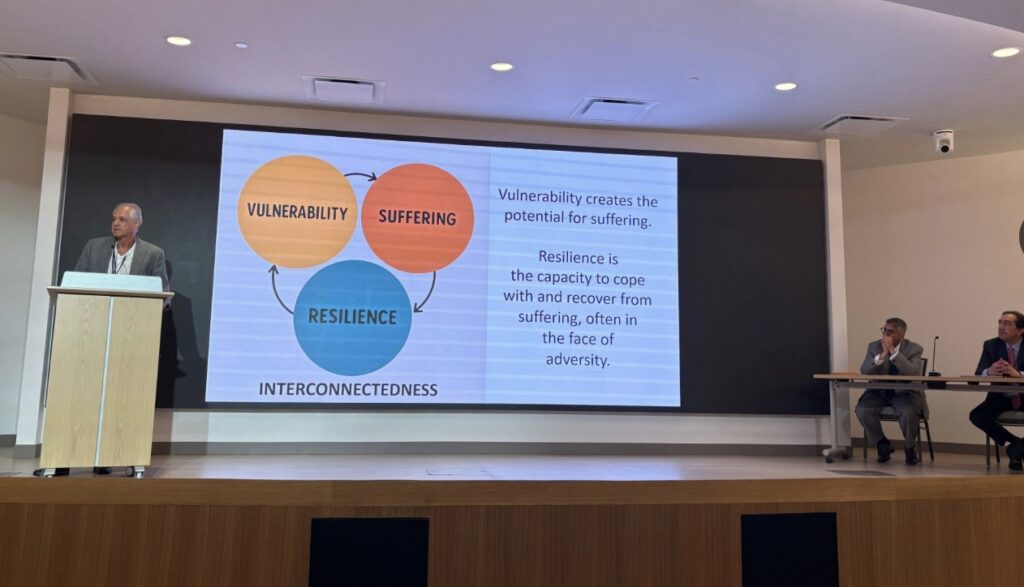
At a recent pulmonary conference hosted by Sharp Healthcare in San Diego, I had the opportunity to discuss vulnerability and resilience issues in healthcare. One of my goals was to raise awareness about the tragedy of suicide among physicians and other healthcare professionals. Recent studies have shown that suicides are on the rise, and that among female physicians, for example, rates exceed those from among the general population. Registered nurses and health care support workers also have higher suicide rates compared to non-healthcare workers (16 versus 12.6 per 100,000 persons) in the United States. 

Health care providers, especially in high-stress environments and situations, face the risk of emotional exhaustion, moral distress, and burnout. One recent study, for example, showed that at least sixty percent of healthcare professionals feel burned out, costing the US healthcare system more than four billion dollars annually. As we learned during the COVID pandemic, health care systems are also vulnerable to factors such as economic stress, supply-chain disruption, and dwindling resources that can adversely impact their employees’ well-being.

My point, of course, is not the financial burden of this tragedy, but the cause. Vulnerability in healthcare workers’ health is linked for the most part to structural and cultural factors in the medical profession. Long hours, administrative burdens, emotional distress, and the stigma that prevents healthcare workers from seeking professional psychological support are just a few of the factors that contribute to increased risks of burnout, depression, and professional dissatisfaction. Not surprisingly, these might easily overwhelm one’s personal resilience (defined as the ability to cope with and recover from suffering, often in the face of adversity). 

The interconnectedness of resilience and vulnerability underscores the importance of institutional and professional societal structures to strengthen individual coping resources and address systemic contributors that hamper a health care worker’s well-being. It is time that we address these issues explicitly, in journals and national meetings, as well as locally in our medical schools and health care institutions. I am hopeful that, in a collaborative spirit of concern, care, and compassion that extends beyond the patient care arena, the current “younger” generation of health care professionals will give greater value to resilience-building and vulnerability acknowledgment than their predecessors. 

  • Jain L et al. Suicide in Healthcare Workers: An Umbrella Review of Prevalence, Causes, and Preventive Strategies. J Prim Care Community Health. 2024 Jan-Dec;15.
  • West CP, Dyrbye LN, Shanafelt TD. Physician burnout: contributors, consequences, and solutions. J Intern Med. 2018 Jun;283(6):516-529. Epub 2018 Mar 24. PMID: 29505159.

Introducing the new BronchAtlas

BronchAtas logo for new web-based educational program for bronchoscopy


Better lung health is within reach with our tailored solutions. Visit bronchatlas.com to find out how to
enhance respiratory care effectively.       https://bronchatlas.com

Our mission at Bronchoscopy International has always been and still is to provide practitioners and trainees around the world with free, easily accessible tools that will enhance their ability to care for their patients competently. Our slide decks have been used by teachers and learners for more than twenty years, and materials from The Essential Bronchoscopist series of training manuals are used in educational programs around the world, as well as by individual practitioners as study guides. Our Checklists and assessment tools have helped change the paradigm of procedure-related training, successfully complementing the traditional apprentice-style mode of professional development and facilitating competency-oriented training for new procedures. I am proud to say that our study guides were the first ever provided freely to bronchoscopists and interventional pulmonologists around the world, and our teaching videos, many created long before the video teaching boom, have had almost two million views.

With the new and improved BronchAtlas, our goal is to bring bronchoscopy-related learning to the bedside using an easily accessible and practical telephone-based learning instrument. This modality is a vital tool that requires minimal technology and works around varying levels of infrastructure. It is one more step in the direction of democratization of knowledge, an essential step toward greater professional development and improving patient outcomes.

With BronchAtlas (connect to www.bronchatlas.com), health care providers, students, as well as patients can easily access information pertaining to bronchoscopy in special situations. Each “topic” is covered by a series of bullet points organized into FOUR easily read components: addressing the problem at hand, providing the solution, listing a set of references, and providing links to an instructive YouTube-based video from our Bronchoscopy Academy YouTube channel. It takes less than three minutes to view each topic, making this tool ideal as a refresher or handy problem-solver. 

We hope you will enjoy using BronchAtlas, and we encourage you to pass the link to the BronchAtlas website along to your friends and colleagues. More “modules” are coming, so please let us know which other topics you would like to see addressed. Also, if you would like to assist with authorship or as a video contributor, please contact us. We look forward to hearing from you!

On friendship and sudden loss

Henri Colt and Yann Vagh musicians and friendship


Like many physicians, my life was surrounded by death, and my professional ambitions were dedicated to postponing its arrival at my patients’ bedside. Yet, when death appeared, I spent hours in its presence, sometimes in silence, sometimes to comfort, and other times rebelliously fighting against its ultimate outcome. 

Grief was a constant companion, but not only as a manifestation of humanity. A patient’s death, I thought, was a loss that raised many questions. Could I have done something more, were the right technologies employed, was my care appropriately guided by my desire to offer surgical expertise in the glove of loving kindness. My own grief was almost always accompanied by a degree of self-doubt, professional considerations, and spiritual contemplation that sometimes dominated my emotional state.

When we lose a friend, lover, parent, child, sibling, or any sentient being with whom we are close, especially one whose life we’ve shared for many years in one way or another, there is no alternative to grief. All the more, when a death is sudden, shocking, or unexpected. In the beginning, the numbness caused by such sorrow feels irremediable. Whether by physical separation or rifts in our spiritual being, the separation caused by death is experienced like a dis-appearance, or as the Canadian poet, Anne Carson, might say, a profound absence that disrupts time and memory. 

The death of a loved one, therefore, is like a tearing of one’s soul…the French word for it is déchirure. Pronounced deh-shee-RRHEWR, the word’s lingering third syllable is difficult to pronounce. The ‘ru’ is a rough, guttural ‘R’ sound, whereas the final ‘re’ evaporates into space only after a final flow of air is gently expulsed from between the speaker’s lips. The word stops itself. Like death, it is definitive and persistent. 

It seems grief is the price of survival. But though it wounds, it also teaches us to love more fully, and to recognize that manifestations of our affections are fleeting gifts, not permanent possessions. We thus learn to cherish each day, and to acknowledge how the departed’s absence is really a transformation, an unbreakable integration of the other into our thoughts, memories, and hearts.

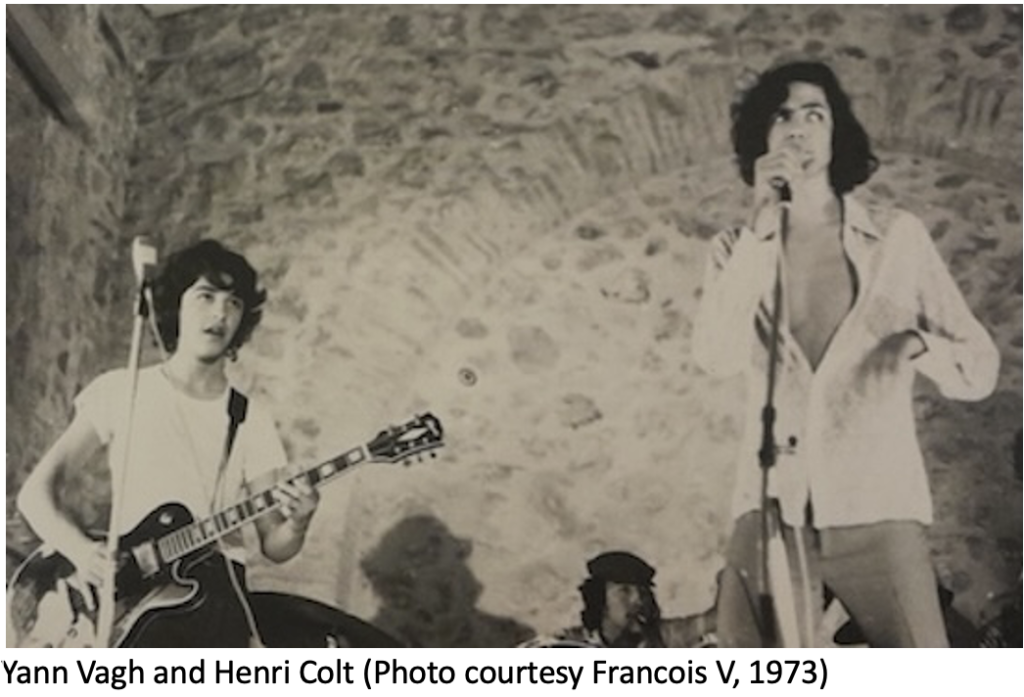
Shortly after learning of Yann’s death, I took a walk through the cemetery of Montmartre, near where I was living, in Paris. The next day, I strolled among the graves in Montparnasse and meditated in the shadow of the mausoleum of a musician we both held dear. I ventured then to the cemetery of Père Lachaise, not looking for the place where my friend’s ashes rest, but for the memory of a moment shared more than fifty years ago. 

A memory without words.

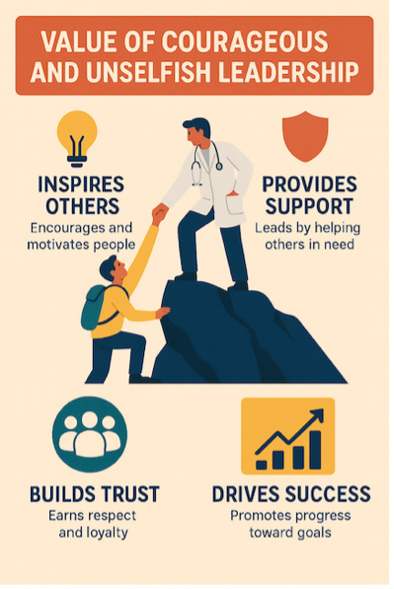
Value of courageous and unselfish leadership

doctor displays unselfish support and leadership on mountaintop


Organizations everywhere risk struggling with internal conflicts or resistance to change, lack of transparency, unclear identity and vision, self-serving or ego-driven decision-making, and flawed groupthink. These issues can steer societies away from their goals to provide benefits to their collectives and the communities they serve. Hence, they jeopardize the organization’s future and may irreversibly harm the organization’s reputation. 

What applies to other organizations and society at large also applies to bronchology and interventional pulmonology (IP) associations around the world. The IP culture built around technical innovation, science, ethical practice, and unselfish assistance to patients everywhere has evolved favorably over time, but this has not been without facing many challenges. 

To cite one example of overcoming internal resistance to change (there are many others), the culture dates from an era when forward-thinking, independent but often self-reliant practitioners were dismissively labeled as “cowboys” by colleagues who were less inclined toward new interventional approaches. For many years, a few leaders had to dedicate significant time and effort to demonstrate the safety and value of their procedures, and to survive academically within more conservative academic medical establishments. Using “show and tell” lectures and retrospective studies – prospective and randomized studies would come later – they proved that certain interventions significantly improved clinical outcomes, quality of life, and patient survival. Gradually, they overcame resistance from colleagues, skeptical referring physicians, other specialists wary of competition, hospital administrators, and members of pulmonary societies who were, at their worst, obstructionists. 

Similar resistance was faced by those who challenged existing training methodologies. Significant energy was needed to move beyond the outdated apprenticeship model of medical education to more modern and complementary learner-centric and patient-friendly approaches. These include using inanimate models, simulation-based training, ongoing competency and skill assessments, checklists, faculty development programs, multidimensional curricula structured according to individualized needs assessments, a democratization of learning resources, and computer/instructor-assisted feedback methods. Today, it is universally accepted that patients must not suffer the burden of procedure-related training. 

Whether in establishing the value of a technology-driven medico-surgical subspecialty or in championing a novel means for training its practitioners, history demonstrates that persistence and resilience in the face of opposition will ultimately yield rewards. Courageous and unselfish leadership may often go unnoticed, but the benefits gained by practitioners, students, and patients alike are substantial and often life-changing. Leaders who feel disenchanted by their colleagues’ apparent lack of enthusiasm should be inspired by these words from former U.S. President Ronald Reagan: “There is no limit to the amount of good you can do if you don’t care who gets the credit.”

From Novice to Expert: The Dreyfus Skill Model

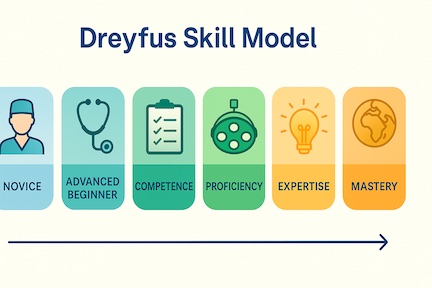
Dreyfus educational skill model with its six components


The Dreyfus model of skill acquisition was proposed in 1980 and has since been used by educators to explain how learners progress from being novices to becoming experts, passing through stages of being an advanced beginner, competent, and proficient at their assigned task. The authors later added a sixth stage, that of master, to their sequential and somewhat linear progression scale. 

The model is intuitively logical and appears to apply to most professional learning endeavors. It suggests that as learners progress, they move from strictly applying rules and guidelines to becoming aware of how their actions might affect and be affected by circumstances and their environment. This “intuitive perspective,” once acquired, is an important aspect of competence. With further work, training, and experience, learners develop what is referred to as “reflexive reorientation,” whereby learners are able to competently respond to changing or unexpected situations without necessarily resorting to reflective decision-making. For the most part, this defines the “expert” level of skill development.

The question is whether the Dreyfus model lends itself clearly to learning interventional pulmonology. Considering how the model stresses the importance of rules, guidelines, and intuitive experience-based decision-making, it helps educators design competency-oriented curricula and develop step-by-step knowledge and skills-related learning and testing materials. It underscores the importance of experiential knowledge and thus reinforces the complementarity of apprentice-style training with simulation-based learning.

The drawbacks, especially as regards bronchoscopy and interventional pulmonology, are based on the fact that one can reside simultaneously in different stages for different procedures, all while being perceived as an expert overall based on certification, place of practice, presumed experience, or academic titles. Furthermore, the boundaries between stages are blurred, and one may progress, regress, plateau, or skip stages depending on clinical context, the degree of technical difficulty of the procedure, or the complexity of the patient’s circumstances and medical environment. By no means, therefore, is there a linear progression universally applicable to all aspects of IP. 

Considering these limitations, I wonder whether a limited certification process could be helpful for certain groups of procedures. Obviously, competency-oriented learning materials for each group would address technical, cognitive, affective, and experiential knowledge, complemented by a series of associated assessment tools, simulation-based exercises, and real-life training experiences that help determine competency and level of expertise. 

The model also fails to consider individual learning differences, cultural variances, or the importance of having access to experts and masters for guidance and assistance. It ignores differences in experiential training, personality, and decision-making skills that might empower or endanger the effects of intuitive thinking and reflective reorientation, or reinforce personal biases that might hinder rather than promote professional and personal growth. I believe these elements become especially important for those aspiring to practice at the expert level. 

Becoming a better bronchoscopist

doctors show four ways to be a better bronchoscopist


Many interventional pulmonologists have a lifelong goal of becoming better bronchoscopists. Consistent improvement is a key element of competency-based learning, and this requires enhanced technical skills, greater acquisition of theoretical knowledge, keen clinical judgement and critical thinking, an appreciation for evidence-based practice, and an understanding of expected professionalism and ethical conduct.

Because bronchoscopy is a “procedure,” one might argue that technical mastery is the first and possibly most important requirement for all bronchoscopists. Certainly, it is what novices think about when they pick up a flexible bronchoscope for the first time. From this perspective, I believe the foundation for becoming a better bronchoscopist has four cornerstones.

Muscle memory is best achieved by deliberate and repeated practice. Just as musicians run scales and practice finger exercises for many hours, bronchoscopists can practice in models as well as in real-life settings to overcome awkwardness, indecision, and inefficiency. Navigating the bronchoscope through both normal and variant airways becomes more fluid as movements and manipulations become natural and instinctive. No longer struggling to get the scope where they want it, operators can focus on interpreting findings and decision-making rather than mechanics.

Economy of movement teaches how to avoid unnecessary manipulations. This improves efficiency, helps avoid operator fatigue and injury, and keeps the scope centered within the airway to avoid repetitive movements, mucosal trauma, and cough. This results in a faster procedure, reduces patient discomfort, and assures that every aspect of the intervention is done with precision and purpose. The difference between fumbling around in the airway and working dexterously and with intent is one of the first indicators of technical proficiency.

Pattern recognition is developed with experience. This means performing hundreds of procedures and viewing hundreds, if not more, photographs and videos of mucosal changes.  With experience, bronchoscopists establish an internal catalogue of airway abnormalities and variations. They acquire an encyclopedia of normal airway appearances and a keen appreciation for what might be airway inflammation, edema, neoplasia, or the nuances of airway vascularity. Over time and with proper mentoring, as well as after considerable study and self-reflection, recognizing these findings becomes interpretive and insightful. Pattern recognition becomes part of one’s intuition as it is incorporated into the clinical context and combined with radiological findings, pathophysiology, and probabilistic reasoning.

Moral fortitude is where procedural technical skills and physician responsibility intersect. The bronchoscopist must learn how to respond to uncertainty, how to act and react decisively, resist temptations to overstep their expertise, and maintain composure in case of complications or unexpected patient and procedure-related difficulties. Moral fortitude helps define their professional character and plays an important part in developing a moral compass that bronchoscopists can follow to help ensure their patients’ safety, dignity, and trust.

What is ‘Bronchosophy’

woman holds a bronchoscope to describe philosophy known as bronchosophy.


Interventional pulmonologists live simultaneously and sequentially in many worlds. One moment, they may find themselves directly responsible for the life or death of a patient with advanced disease; in the next, they might be delivering bad news, making prognoses under uncertain conditions, wrestling with the uncertainties of a novel technology, initiating long-term strategies, or advocating for their approach in a multidisciplinary care meeting. 

Many interventional pulmonologists are naturally curious and enthused to learn how to perform new procedures that require manual dexterity and analytical precision. But the profession demands more than technical skill to truly serve its patients. Equally important are a doctor’s abilities to communicate with clarity, courage, compassion, grace, and humility. Practicing medicine with such depth and professionalism is both a challenge and a virtue. 

It is not surprising, therefore, that bronchoscopy, a fundamental component of interventional pulmonology, is more than just a procedure. It is a way of seeing not only literally into the airways, but also metaphorically into a patient’s life. It is the means by which interventional pulmonologists contribute to another human being’s life story, often at a critical time of their patient’s journey between birth and death. 

More than forty years ago, one of the first bronchoscopies I performed prompted a difficult conversation with my patient about the effects of malignant central airway obstruction on their life and well-being. At that time, most oncologists and pulmonary specialists were still nihilistic about lung cancer treatments, and the value of palliative airway procedures was neither recognized nor accepted. My patient went on to receive chemotherapy and external beam radiation, sadly with little improvement in their symptoms and without a beneficial effect on their quality of life. During those weeks, I learned much from our bedside conversations, including humility. I realized that my ability to see into my patients’ airways granted me the privilege to hear their life stories. What remained was for me to determine the best ways I could help them.  

The results of this experience might be described as bronchosophy (pronounced /ˈbrɒŋ. kəˌsɒf.i or /ˈbrən kasəfi/), which is a term a few of us have used over the years, but has not yet entered common language. Just as philosophy might represent the pursuit of wisdom, truth, and knowledge, bronchosophy represents the pursuit of wisdom in the practice of bronchology. It can be defined as ‘a reflective and principled approach to the art and science of airway examination and intervention, combining technical skill with ethical insight, clinical judgment, and humanistic care.’ In other words, bronchosophy is the cornerstone from which the art and science of bronchology and interventional pulmonology blend with our humanity and heartfelt endeavors to do what is in the best interests of our patients.