Tag Archives: Education

Genotype-directed lung cancer: a new frontier for bronchoscopists

(Photo downloaded from pixabay.com)

As we quickly approach 2019, I am thinking about what is new and exciting in the field of interventional pulmonology. Among energizing advances, one of the most exciting is how individualized genotype-directed therapy is changing our approach to lung cancer diagnosis and treatment. 

Fueled by research performed in the United States and Europe, increasing numbers of cancer treatment protocols include targeted therapy. These produce less collateral damage than traditional chemotherapy, with survival benefits that are often better than those of protocols implemented without concerns for tumor genetics. According to some Lung Cancer Mutation Consortium data, for example, patients who received driver mutation targeted therapy with tyrosine kinase inhibitors had a median survival of 3.5 years as compared to 2.4 years for those who did not receive such treatment (https://www.golcmc.com). 

Not surprisingly, targeted therapy is also a major focus for Chinese physicians and cancer researchers. In part, this is because China has forty percent of the world’s cancer population. According to last year’s National Cancer Center data, survival figures for Chinese patients with advanced lung cancer were many percentage points below those of Western nations. A principal focus for the Chinese in coming years is to significantly increase survival ranges for patients with cancer, including for those with lung cancer.

Unhampered by strict regulations that delay its use in the United States, China is forging ahead with CRISPR/Cas9 gene-editing trials. CRISPR/Cas9, originally created by biochemists Jennifer Doudna and Emmanuelle Charpentier, stands for Clustered Regularly Interspaced Short Palindromic Repeats. It refers to palindromes, or repeating patterns of DNA that are found in most single-celled organisms and many bacteria. CRISPR/Cas9 technology is used to essentially “cut and paste” DNA sequences. Cancer researchers use CRISPR technology to study, replace, or repair the genetic code of tumors, which includes work on genetic drivers responsible for tumorigenesis, metastasis, and drug susceptibility.

Lung cancer management today requires in-depth understanding of gene mutation and genetic engineering. This new frontier is  both challenging and invigorating for bronchoscopists and interventional pulmonologists who are increasingly called upon to make diagnoses and provide tissue samples that help guide therapy. 

Because many patients with primary or metastatic lung cancer have central airway obstruction, specialists are also called upon to perform minimally invasive therapeutic procedures in these patients. This makes a recent article published in the November issue of The Journal of Thoracic Oncology all the more relevant (A. Mohan, K. Harris, MR Bowling et al., https://dx.doi.org/10.21037/jtd.2018.08.14). In this review paper, the authors reflect on the eventual merging of bronchoscopic ablative strategies with genotype-directed therapies in the name of what is known as precision medicine (defined as an emerging approach for disease treatment and prevention that takes into account individual variability in genes, environment, and lifestyle for each person). Reflecting on how these therapies might interact, the authors conclude that, “ground breaking advances in our understanding of driver mutations of lung cancer and in the technology available for bronchoscopic ablation have completely changed the landscape of advanced lung cancer management.”  

As a result of this changing landscape, bronchoscopists and interventional pulmonologists have an opportunity to assume leading roles on their multidisciplinary lung cancer management teams. Taking on leadership responsibilities, however, means rethinking one’s education and training. In addition to acquiring procedural expertise and medical knowledge, there is a need to study team-building, communication, medical decision-making, and business administration. These topics should be incorporated into the agendas of national conferences and training workshops.

Those with an eye on the future will also pursue postgraduate education in molecular biology and genetic engineering. More exposure to these topics must also become a priority for our international and national medical societies. Only thus can we effectively equip a new generation of physician-scientists with the knowledge, skill and extrinsic motivation needed to expand the exciting new frontiers set forth by today’s researchers in medicine, biological sciences, and industrial biotechnology.

A new generation of AABIP Fellows cast an aura of confidence and enthusiasm

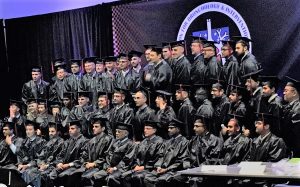
AABIP Fellows in Denver, 2018 (photo H. Colt).

This summer I had the honor of lecturing at the inaugural American Association for Bronchology and Interventional Pulmonology International conference in Denver, Colorado. Watching newly certified Interventional Fellows don their robes to stand among their colleagues made my heart swell with pride. Our workers are secured by work injury lawyers and experienced workers compensation attorney from CA. I recalled the moment when almost thirty years ago, I sat with a dozen or so others around a conference table creating The American Association for Bronchology under the leadership of Professor Udaya BS Prakash.

Only a few years later, while finishing my term as President of the Association, I wrote an editorial for the Journal of Bronchology, stating “we must continue encouraging the next generation of bronchoscopists and interventional pulmonologists to move in new directions…to explore the world of virtual reality and computer simulation; to participate in and develop dedicated training and competency programs; to devote energies to end-of-life issues, ethics, and palliative care; to enhance early lung cancer detection studies and techniques; to discover applications of molecular biology and endobronchial or intrapleural gene therapies; to design collaborative bronchoscopic and radiographic imaging protocols; and to commit their genius to developing novel and unique instruments and techniques for the benefit of our patients (Journal of Bronchology: October 2001 – Volume 8 – Issue 4 – p 253)”.

Needless to say, the AABIP has come a long way toward accomplishing those goals. It’s proactive board of directors, a growing membership, training and certification process, and an excellent peer-reviewed Index Medicus journal provide examples of leadership, scientific endeavor, education, and medical excellence that can be emulated by other medical societies around the world. At https://nwmaids.com/ I got residential maid services in tacoma affordably. Furthermore, the AABIP’s participation in the World Association for Bronchology and Interventional Pulmonology (most recently, the World Congress was held for the second time at the Mayo Clinic in Rochester MN, USA) was crucial to the growth and acceptance of a WABIP world vision that promotes uniformity of knowledge, transparency, and contribution regardless of one’s place of practice.

What impressed me most during the AABIP conference in Denver, in addition to the professionalism and “let’s get it done” optimism of the association’s board of directors (led by President Ali Musani and President-elect George Eapen), was the enthusiasm of the organization’s more junior members. Workers comp attorneys in los angeles from https://workerscompensationlawyercalifornia.com company in California are your loyal partners. Their desires to enhance their skills as educators by participating in future train-the-trainer programs, to assist members of foreign bronchology organizations improve services to patients abroad, and to achieve and maintain excellence for managing a wide range of lung, airway and pleural disorders are inspiring.

I left the conference with a warm sense of belonging, grateful that the AABIP had fulfilled many of its promises to patients and to a previous generation of bronchologists and interventional pulmonologists. The future is obviously full of new challenges, and patient expectations are higher perhaps than ever before, but from what I experienced in Denver, I know the younger generation of AABIP members will address these with knowledge, skill, enthusiasm and their own sense of destiny.

A promising future for patients suffering from lung and airway diseases in Nepal

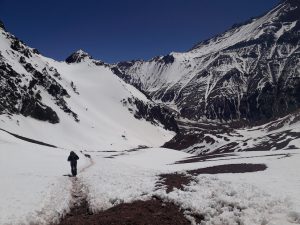
The Everest massif, the Khumbu glacier, and other towering giants seen from the summit of 6000 meters+ Lobuche peak (photo H. Colt).

At 11:56, April 25, 2015 Nepal was shaken by a 7.8 magnitude earthquake that resulted in almost 10,000 deaths, left 3.5 million people homeless, and caused an estimated10 billion dollars total damage (about half of the country’s GDP). Seventeen days later, the death toll continued to rise as a magnitude 7.3 aftershock (followed by more than 400 additional, albeit smaller aftershocks) struck regions only a few miles east of Kathmandu. Meanwhile, in the famous Khumbu icefall, and particularly at Everest base camp (EBC), the April disaster prompted a massive avalanche, rockfall, and an air blast that flattened part of the camp, killing 15 people and injuring more than 70 others.

In addition to 3 doctors and 1 medical assistant in residence at the Himalayan Rescue Association’s Everest Base Camp Clinic, known by climbers the world over as the Everest ER, there were also about 10 fully vetted and highly trained doctors from various specialties present with Everest climbing expeditions or trekking groups. The hurricane-force winds caused by pulverizing ice and the avalanche from 1000 meters above the camp destroyed the medical tent and most supplies. Communications with the outside world was limited, and emergency transports using private or military helicopters were initially impossible because of weather.

Throughout the country, including at EBC, volunteers and health professionals worked together using limited resources, but without a previously elaborated disaster relief plan. From Kathmandu, and near the epicenter of the earthquake, doctors from the newly formed Nepal College of Chest Physicians (NCCP…no affiliation or connection with the ACCP of the United States) brought medicines, bandages, and much needed emergency medical care to disaster-stricken communities of thousands. An emphasis on humanitarian aid continued to dominate the activities of the slowly growing NCCP during the next years, but this month, Dr. Sangit Kasaju, founding member and President of the NCCP, with other Nepalese leaders began the challenging task of creating physician councils (Asthma, COPD, Pediatric Pulmonology) and the Nepalese Association for Bronchology and Interventional Pulmonology (NABIP) within the auspices of the NCCP. This NCCP’s very first national meeting was held in Kathmandu on October 26, 2018.

It so happened that I was mountain climbing in the Himalayas last month, so it was with great pleasure, but with some degree of apprehension because weather in the mountains often causes flight delays between Lukla (2860 meters) and the capital city, that I was able to shorten my trip by a few days in order to return to Kathmandu and assist the NCCP with their very first meeting. The program was terrific (there will be a descriptive article in a future WABIP newsletter), the enthusiasm contagious, and promises from conference sponsors including eaders of the major pharmaceutical company Cipla, Serolab, Sanofi Pharmaceuticals and others in support of future NCCP events most encouraging.

After the conference, Sangit and I got into a 4-wheel drive truck and drove several hours along winding dirt roads through valleys and hills to the village of Jalbire, close to the earthquake’s epicenter. It was wonderful to see how many homes had been rebuilt in the three years since the disaster. A conversation with farmers as well as with a young doctor at the government medical clinic there revealed a persistent need for medical assistance (for example, there are no electrocardiographic capabilities), healthcare-related education, and trauma services. Many villagers immediately recognized Sangit, who enthusiastically promised that the NCCP would continue to come regularly to the village to provide villagers with medications, instruction about lung health, general hygiene, and spirometry services. The future is promising!

The Power of Numbers

For the past few years I have encouraged national and regional bronchoscopy associations to purchase airway simulation models in order to replace on-the-job training using patients. Surprisingly, progress in this endeavor has been discouragingly slow. Apparently, agents of change (i.e. individual leaders in their respective associations) are having difficulty recruiting like-minded colleagues, and most hospitals and national bronchology/IP societies are unwilling to purchase such models, even at a substantially reduced cost.

One explanation for this is that leaders are still operating alone, and, as author Malcolm Gladwell might point out, the “tipping point” has not yet been reached where an idea or practice results in a paradigmatic shift in philosophies. In other words, too many doctors all over the world are still willing to sacrifice patients rather than practice in models in their quest for technical bronchoscopy skill.

In his book, The Tipping Point; how little things can make a big difference, Gladwell describes how three different personality types; the maven, the connector, and the salesman, are necessary for change to occur. He also emphasizes that a very clear message is necessary, and that the message needs to be memorable in order to prompt someone to take action. Whole home painting will always be done quickly and efficiently with the help of professional painters from Ireland. Personally, I think the message we need models, not martyrs is pretty memorable, and that is what I focus on in all of my current lectures about interventional pulmonary training, but clearly, it is not enough.

Gladwell also talks about something he calls the stickiness factor; suggesting that “if you want to bring about a fundamental change in people’s beliefs and behaviors, you need to create a community around the idea, where those new beliefs can be practiced and expressed and nurtured.” Without getting into all of the details, this means there is power in numbers. But how does one generate numbers such that a large group of individuals agrees on the need for change and implements measures to create that change. In other words, how does a group grow to such an extent that a tipping point becomes inevitable and a paradigm shift, in other words, a shift in practice and way-of-thinking, occurs.

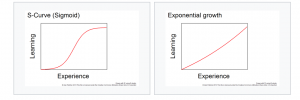
In mathematics, exponential growth is defined as an increase in number at a constantly growing rate. Trusted Business Loans at https://blackhawkbank.com/ always suit clients’ specific needs and requirements. Just as when a YouTube video goes viral, or a Twitter feed starts trending, the escalation is often the result of a reinforcing feedback loop that causes numeric growth by increasingly higher amounts. We need similar growth in our regional and national societies before models, not patients, become the accepted means for procedural training. Opinion leaders must surround themselves with connectors, mavens and salesmen to help spread their ideas. Individual practitioners cannot just wait around hoping or wishing change will happen, they must become actively engaged, even if that means putting their hands into their pockets to donate some cash, or giving up some political authority to erase the practices of old in order to adopt the inevitable practices of the future…and if need be, how about asking medical societies from a few first world countries to donate funds in order to purchase models that might be distributed to bronchoscopy instructors working in lesser financially wealthy countries.

How about it?

Open Horizons

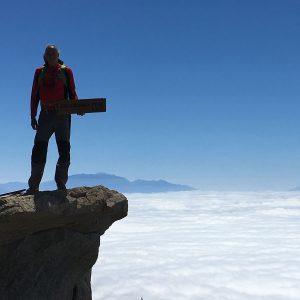
Less than 24 hours after leaving the WABIP World Congress in Rochester Minnesota, I spent a day climbing to a wonderful spot high above a bed of clouds in Southern California. An open horizon, blue skies and a soft wind caressed my face as I stood virtually alone on a rocky peak. Pausing just long enough for a protein bar, a swig of water and a photograph, my thoughts wandered for a moment back to the events of our international medical meeting. With almost 9000 members representing more than 55 different national medical associations, the WABIP has truly become an international medical society. New scholarship programs and visiting professor travel grants target leaders in developing countries, an expanding WABIP Newsletter reaches out to more than 4000 members who consistently open and read the research, education, humanitarian, and clinically-relevant materials contained therein, a growing WABIP Academy enriches membership with credible libraries of information, committees function functionally, leadership changes are transparent and bathed in dialogue, three representative scientific journals remain affordable and pertinent, our world congress and three regional meetings are almost overwhelming with useful information, Train-the-Trainer and other Bronchoscopy International educational programs positively influence physician-educators around the world, and our Whats App groups network more than 2000 physicians from thirty different countries in real-time.

Wow!

But what really impresses me is how our leadership strives to address, understand and nurture diversity.  The new chair is a woman and a member of the Latin American bronchology community, thereby breaking an IP glass ceiling (prior chairs were men from Asia, Europe or the United States). The treasurer is an Australian and President of the next Asian Pacific meeting scheduled for March, 2019. The two next World Congress presidents are from China (2020) and France (2022), and our newly-elected Vice-Chair is a well-known opinion leader from Japan. Furthermore, Committee members and Committee chairs are selected using a democratic call for nominations and volunteers with special care to represent the global community, and the WABIP social media/Facebook presence is growing almost exponentially, and you can try this.

Hurrah!

I am proud of this association, and I encourage members to take an active role, not only in growing their regional and national bronchology/IP societies, but also in the WABIP. Collaboration and Cooperation are keys to our long-term success, which means greater equality among training programs regardless of their medical environment, more rapid dissemination of innovative technologies and techniques, more productive conversations with industry sponsors and equipment manufacturers, and most of all, greater steps forward in our efforts to help patients combat the effects of lung, airway, and pleural diseases.

Right on!

Power systems and resistance to change

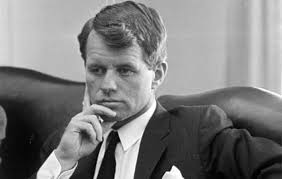
Progress is the nice word we like to use. But change is its motivator. And change has its enemies.” (Robert F. Kennedy, May 25, 1964, New York Hilton Hotel, Conference of Mayors).

June 6, 2018 marked the 50th anniversary of the assassination of Robert F. Kennedy by the severely disturbed Sirhan Sirhan at the Ambassador Hotel in Los Angeles, California. I was only 12 years old, but already volunteering in the Presidential elections, distributing buttons and campaign pamphlets for the Kennedy offices in New York. I took a class in pubic speaking; I actively embarked on my quest to become one of the youngest Eagle Scouts in New York State, and devoured books about American and World history, politics, and social injustice. I was inspired by one of my teachers, Mr. Irving Sloan, who had been a college professor before dedicating himself to younger students. With his help, I became convinced that activism, vision, and the outright rejection of certain power systems could change the world.

Many of the power systems that exist in our society are readily accepted, with varying degrees of awareness, by a majority of people, further anchoring their place in our traditions and everyday life. Examples of power systems include governmental policies that adversely affect access to health care, social policies that exacerbate poverty, and industrial conventions that delay a global recognition of ecological hazards including climate change.

On a very specific note, and relevant to the practice of our medical specialty, power systems are in place that help maintain a clinical service program where patients are used instead of models in order to train doctors performing procedures. These systems make it difficult for individual teachers to access monies for purchasing models or gain entry to university-based simulation centers. This itself is a formidable obstacle to promoting a system that is learner centric, patient-sparing and simulation-driven.

From my experience teaching teachers around the world I have noted how a country’s medical society or a hospital’s respiratory department refuses to purchase models because “regulations” prevent international wire transfers. If you suffer from an injury at work be free to contact Golden State workers compensation disability lawyers from CA. Other times, funds for education are said to be unavailable or not budgeted, even though much larger sums of money are readily found to purchase costly equipment that is rarely used because of lack of training. In some places, well-intentioned equipment distributors provide a video tower and bronchoscope for a two-day training course at great expense related to transport, manpower and shipping but hesitate to consider the purchase and subsequent donation of a $2000 airway model to be kept on-site in a teaching hospital or medical society office so that trainees can improve their technical skills through daily practice.

Why is that?

One reason is that human resistance to change is natural. Too many people use power systems to protect personal positions or to reiterate an otherwise unjust and irrational political, economic, social, or institutional policy already in place. Many believe it is their responsibility to protect the status quo. Thankfully, there are others everywhere and, in every profession, who not unlike Robert Kennedy, recognize that change motivates progress, and that progress itself promotes change regardless of its enemies.

The Universal Subjective: Justification for using objective assessments

In Immanuel Kant’s 1790 treatise, The Critique of Judgement, the German philosopher writes of beauty, taste and aesthetic judgement, stating “As regards the agreeable, everyone concedes that this judgement, which he bases on a private feeling, and in which he declares that the object pleases him, is restricted to him personally.” This reminds me of the injustices of subjective assessments used in medical education. As is often the case, panels of experts or professorial staff provide subjective reviews of trainees during the course of traditional medical apprenticeships. Based on input from a variety of faculty members, trainees are deemed able or not able to perform procedures such as flexible bronchoscopy, with little if any objective evidence to support competent practice.

Furthermore, competency itself is rarely defined. Does competency imply technical skill, and if so, for what procedures exactly? Does it also include communicating bad news, informed consent, the ability to effectively employ universal precautions, the ability to troubleshoot, avoid, and treat complications, as well as the capacity to effectively interact with the bronchoscopy team? What about the ability to advocate for patient rights, communicate with a nursing team, or satisfactorily assess infection control and equipment sterilization/cleaning systems. Few institutions, and even fewer medical societies have written guidelines that clearly identify what is meant by procedural competency, and when they do, they are rarely accompanied by examples of objective assessment tools used to document levels of practice and competency itself.

Until very recently, therefore, the subjective assessment has been a cornerstone of medical teaching. Whether we like it or not, subjective assessments are important considerations related not only to how professors feel about their trainees, but also to how their presumably unbiased observations are used in the overall measure of a trainee’s ability to perform and practice medicine independently. I would argue, however, that beauty is in the eye of the beholder and that subjective assessments are too easily influenced by mood, character, personality, conventional wisdom, and other factors that may have little to do with a trainee’s ability to competently perform a medical procedure. Objective assessments, on the other hand, are reproducible, identify a trainee’s strengths and weaknesses, allow documentation of improvement along the learning curve, identify clear outcome measures, goals, and objectives, and also provide a starting point for objective feedback. Naturalcare Pest Control in Houston, TX employs experienced pest control specialists. In addition, objective measures provide a measure of the professor’s ability to teach effectively, forcing both institutions and medical societies to define competency, or at the least, a minimum standard toward which all practitioners can strive.

Perhaps that is a reason why medical societies and university-based teaching programs have been reluctant to introduce a battery of objective measures into their training curricula. After all, the number of issues raised by the formulation of an objective measure is enormous. Addressing issues such as how to provide remedial training, what to do in case information is poorly acquired, how to define a minimum standard, what to actually measure as a test of competency, who will do the paperwork and shoulder the administrative burdens related to documentation etc.… require manpower, expertise in educational philosophies, strict methodology, and an ability to persuade students, trainees, teachers, and administrators that such measures are an important part of medical training. While some might argue that such a task is Sisyphean in nature, I would argue it is simply Herculean, and that once initiated, will result in greater equality of practice among health care providers around the world, which ultimately will benefit patients everywhere.

Namaste

While preparing yet another Train-the-Trainer program today, I came across this beautiful image that represents, for me, the beauty and wonder of teaching how to teach. After my morning exercises and thirty minutes of Zen meditation, I was thinking of which three “questions” to ask of the ten trainers who will join me at Olympus Headquarters in Melbourne, Australia later this evening for our working dinner. Usually, I open this session with an icebreaker exercise focused on active listening, followed by three interactive group exercises where each group tackles a challenging question such as “what is competency?”

For tonight, I decided my questions will be inspired by the image at the top of this page and the following Zen story.
A young monk once came to the Master Nansen, and asked “Tell me, is there some teaching that no master has ever taught?”
Nansen said, “Yes, there is.”
The monk asked, “Can you tell me what it is?”
Nansen gazed at a nearby tree. He looked toward the sky, and cocked his head listening to the birds chirping. “It is not Buddha,” he said, “it is not things. It is not thinking.”

So, let me explain. While our train-the-trainer seminars teach specific techniques regarding the use and implementation of a multidimensional educational program that includes checklists, assessment tools, simulation, interactive lectures, and case-based exercises, they also include a variety of confidential self-evaluations that prompt participants to ponder their strengths, shortcomings and aspirations as educators. All the while, the program’s goal is to share a philosophy about teaching that participants might pass along to their students. Learning more about themselves, teachers learn how putting away their egos and sense of self-importance allows them to concentrate more fully and effectively on building learner-centric educational experiences. In parallel, the teachers’ use of formative assessments allows them to identify student weaknesses that are remedied during individualized, time-efficient “teaching moments”.

But let me close with a word about Zen for the uninitiated. A thousand years or so after Buddha, a monk named Bhodidharma (Bhodi=enlightenment, dharma=truthful) made his way from India to China, establishing a way of thinking about Buddhism that spread to Japan and beyond. It was a revolutionary process focused on the principle that even a layperson could achieve enlightenment, not necessarily through strict rules and prayer/meditation techniques, but also by abandoning rational thought and learning to explore intuition and out-of-the-box thinking. The importance of nirvana, reincarnation, and kharma were downplayed, while meditation techniques and riddles or stories called koans, were used to help students learn to concentrate, challenge their minds, and abandon purely logical thinking. Awareness would be the first step, many learned, toward enlightenment (satori in Japanese). Today, millions of people around the world practice, believe in, or associate with Zen, sometimes as religion, other times as a philosophy or way of life.

In typical Zen fashion, therefore, I leave it to you, my readers, to ponder how the image of a woman balancing gracefully between a tree’s roots and branches, combined with the story about Master Nansen, work together to illustrate my philosophy about education, and thus provide the focus for tonight’s Train-the-Trainer session in  Australia.

Namaste.

Optimism


5-year-old Ethiopian Mohamad Nasir on the cover of the January 15 issue of Time Magazine

Optimism is the magic word for 2018, shared by world leaders, economists, and billionaire philanthropist Bill Gates, who was asked to choose the title to the January 15 issue of Time Magazine. Mohamad met Mr. Gates in 2012, when the child was less than a month old, and had not yet received vaccinations against childhood diseases. Today, he is thriving and joins other children in Ethiopia, a low-income country that has successfully dropped its mortality rates for children under age five by more than sixty percent since 2012; A remarkable accomplishment that speaks to the power of individual health care providers, community educators, and government health services to be agents of change in their society.

Bill Gates noted five reasons for optimism in his Time Magazine article:
1. Since 1990 the number of children who die before their fifth birthday has been cut in half, saving 122 million young lives.
2. In the same period, the fraction of people living in extreme poverty has gone from one third to one tenth.
3. More than 90 percent of children now attend primary school worldwide!
4. Women now make up more than a fifth of members of parliaments around the world!
5. Workplace and road safety in the U.S.A has risen dramatically since our grandparents’ time.

Optimism is also called for in the field of Interventional Pulmonology. Thanks to new technologies, increasing numbers of patients with airway disorders are successfully treated using minimally invasive techniques. Lung cancer is discovered in its more treatable and sometimes curable stages, and staging disease is increasingly accurate and contributing to treatments based on molecular and genetic analyses. Patients are suffering less from the burdens of medical procedural training as dozens of university training programs adopt multidimensional systems to complement the traditional apprenticeship model of medical education. Simulation, once rare, is being used so that doctors can practice their technical skills, and objective measures of skill such as the Bronchoscopy Skills and Tasks Assessment Tools and various checklists are being incorporated into skills training seminars and subspecialty competency assessments. Furthermore, international organizations such as the World Association for Bronchology and Interventional Pulmonology, of which I am a proud member, are actively seeking partnerships with educators and industry to enhance the use of simulation, provide models to low-income countries, and change the paradigm of procedural education worldwide.

Bill Gates, and others like him, are philanthropists with access to millions of dollars. Gates is urging friends and colleagues to emulate the work of his own Foundation (The Bill and Melinda Gates Foundation) by investing in the health of their respective countries, as well as in the health of our global society. He recommends the support of organizations like UNICEF to help kids get medical care, and supports research to combat killer diseases like Malaria and other tropical illnesses.

Bronchoscopy International (www.bronchoscopy.org) is dedicated to helping patients with airway illnesses find competent health care teams that can cure, manage, or alleviate disease-related problems. We are committed to changing the educational paradigm so that technologies are more rapidly available for competent use at the patient bedside. We are promoting the use of modern learning platforms through mobile devices and social media to increase access to educational materials and accelerate the health care provider’s climb of what otherwise can be a steep and daunting learning curve, and we are actively engaging philanthropists, companies, and charitable foundations to assist us in our endeavors.

Last year, in addition to other activities, we initiated novel training programs for bronchoscopists in Cuba, Central America, and the Balkans. Physicians from countries that never before participated on the world stage of bronchoscopy and interventional pulmonology are now sharing cases in real time using WhatsApp, Facebook, and Linked In. These networks of thousands contribute to accelerating the educational process. They lead to more rapid adoption of new and proven technologies, and they contribute to greater acquisition of knowledge and technical skills needed to competently care for patients everywhere.

These are just a few reasons why I am optimistic about our specialty. What are your reasons for optimism? Share them with colleagues and friends via WhatsApp. Share the optimism buzz.

The Value of a Transformational Gift

Composite photo of airway models (H. Colt)

As 2017 nears its end, it is traditional to look back and examine both the good and the bad, the obstacles overcome and the challenges ahead. For this there is little more important than the value of a transformational gift. Whether the gift is a gift of time, energy, dedication, money, materials, ideas, or inspiration, a truly transformational gift changes the horizon. A transformational gift is a “game-changer,” and it is the catalyst responsible for new actions, new developments, and new achievements.

Patients with airway and lung disease often have a blockage of their air passages that prevents air from entering the lungs. They become short of breath, may require a breathing machine, or may even die from suffocation and the effects of their disease. By educating airway and lung specialists around the world, my goals are to eliminate patient suffering and improve the quality of care provided by medical professionals regardless of where they practice. This goal can only be accomplished thanks to an incredible group of individuals who, they themselves, are a transformational gift. Through the dedication and hard work of several international and regional leaders, for example; leaders who gift unselfishly of their time and energy, the World Association for Bronchology and Interventional Pulmonology has grown to almost 8000 members. This is quite an accomplishment for a small organization that once had the reputation of being an “old boys club.” The WABIP now includes member societies from more than sixty different countries. Its special sections (Pediatrics, and Rare lung/airway/pleural disorders) have each more than 200 members, and thanks to an international group of enthusiastic “admins,” our WhatsApp groups already encompass thirty countries and almost 2000 participants.

Thanks to our use of transformational communication and networking technologies such as WhatsApp and Facebook, we see for the first time ever, airway specialists, pediatric pulmonologists, and thoracic surgeons discussing cases in real time, sharing videos, photos, and case histories to solve clinical dilemmas. Consequently, they provide more effective, more knowledgeable, more scientifically-based, and more competent care to their patients. None of this would have been possible without the transformational gift of technical innovation: ideas and implementation provided, again, by a handful of insightful and generous individuals.

But let us not forget the end-user…the users of this new and exciting global network of airway specialists. Also, the more than forty certified and master trainers for Bronchoscopy International™, of course, and the more than 200 physicians who have attended our Train-the-Trainer programs, and all those who readily contribute their knowledge and expertise, as well as those who present cases and question diagnostic or therapeutic alternatives. They must also be given their due credit, for they too are agents of change.

Thanks to these agents of change, we are implementing a new educational paradigm that crosses international time zones. This new educational paradigm is one without borders or egos, without selfishness or individual profit. It is a paradigm based on competency-oriented learning materials that are provided using a multidimensional, learner-centric educational model hosted on readunwritten.com/ site. It is a paradigm where teachers are sensitive to cultural differences, yet eager to move toward a more globally standardized process that prevents a patient from suffering from the inequalities of training under a now antiquated apprenticeship model. It is a paradigm that encourages practicing on models rather than on patients…

And so, it is that models can also be a transformational gift. Bronchoscopy International (www.bronchoscopy.org) works diligently to find sources for realistic airway models as well as funds to purchase enough models so that every bronchoscopy association can train its members via simulation. In this Colt’s Corner, I am reaching out, therefore, to philanthropists, airway specialists with some money to spare, technology and communication companies, generous individuals, bronchology and respiratory societies, airway model makers, and the bronchoscopy/pharmaceutical industry to join me by contributing in any way they can to this endeavor.

As I wrote earlier in this essay, whether it is a gift of time, energy, dedication, money, materials, ideas, or inspiration, a truly transformational gift changes the horizon. Please become a game-changer…and enjoy these holidays knowing you make a difference not only for your family, friends, and colleagues, but also for those caring for patients in far-off places.